
HelloPower: Scalable, Intelligent Energy Solutions for Two-Wheeler Mobility
2026-02-09
With global demand for electric two-wheelers (E2Ws) surging, battery swapping is rapidly becoming the preferred way to keep electric scooters and electric motorcycles running without downtime. Compared with slow, infrastructure-heavy plug-in charging, smart swapping networks cut energy replenishment to seconds while improving safety and extending battery life. This case-led overview shows how HelloPower & HelloSwap help partners build profitable, scalable electric scooter and motorcycle battery swapping networks in China, Southeast Asia, and future European deployments.
China is the world's most demanding environment for electric scooter and electric motorcycle battery swap, with over 400 million electric two-wheelers and tens of millions of daily urban trips. HelloPower & HelloSwap have grown from early pilots to a nationwide network that, by 2024, ranks No. 1 in battery deployment volume.
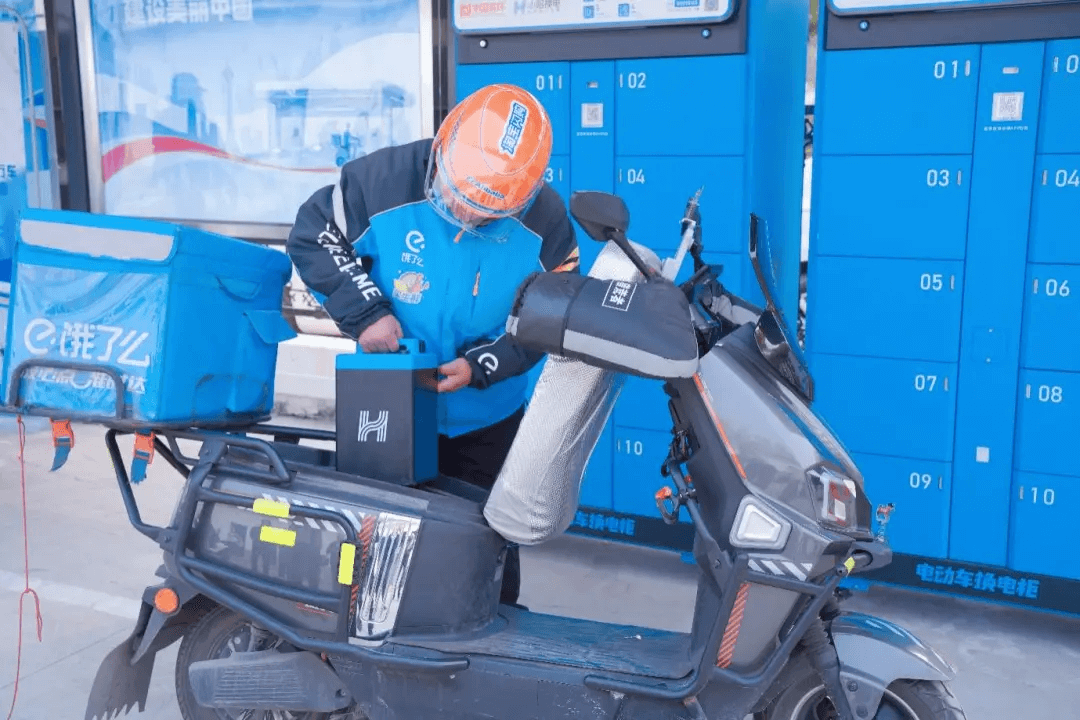
HelloPower & HelloSwap now operate a truly national ecosystem rather than isolated projects.
Operating footprint: services cover more than 500 cities, from tier-1 megacities to prefecture-level and lower-tier cities.
Physical assets: over 100,000 smart battery swapping cabinets and millions of lithium-ion batteries are in daily circulation.
Users and volume: more than 5 million users, over 1 million swaps per day, and more than 800 million cumulative swap transactions by the end of 2024.
Network density: core urban districts in leading cities typically reach an average spacing of about 1.5 km per cabinet, with additional coverage around suburban junctions, business districts, and metro stations.
Professional riders are central to this network: around 68% of heavy users are full-time couriers and food-delivery riders, which continuously validates performance under real-world, high-frequency usage.
Within this national footprint, the Tianjin "PV + storage + E2W swapping" project illustrates how policy, technology, and rider needs can be integrated into a replicable model.
Background: national-level research showed 78% of delivery riders had missed orders due to insufficient range and spent about 1.5 hours per day charging, while illegal indoor charging had become a major fire-safety concern.
Policy window: Tianjin launched a comprehensive rectification program for electric two-wheelers and encouraged a "state-owned enterprises + market innovation" model to deploy safe swapping infrastructure.
Launch: on 28 October 2025, the first integrated PV-storage-swapping stations were put into operation in the Binhai New Area's Zhaishang Subdistrict, focusing on new employment groups such as couriers and delivery riders.
Technical design: each site combines swapping cabinets with outdoor photovoltaic generation and stationary energy storage, enabling local green power and stable cabinet operation aligned with Tianjin's environmental policies.
Service model: cabinets run 24/7 without on-site staff, support mainstream local battery models for electric motorcycles, e-scooters and e-mopeds, and require no vehicle modification for riders.
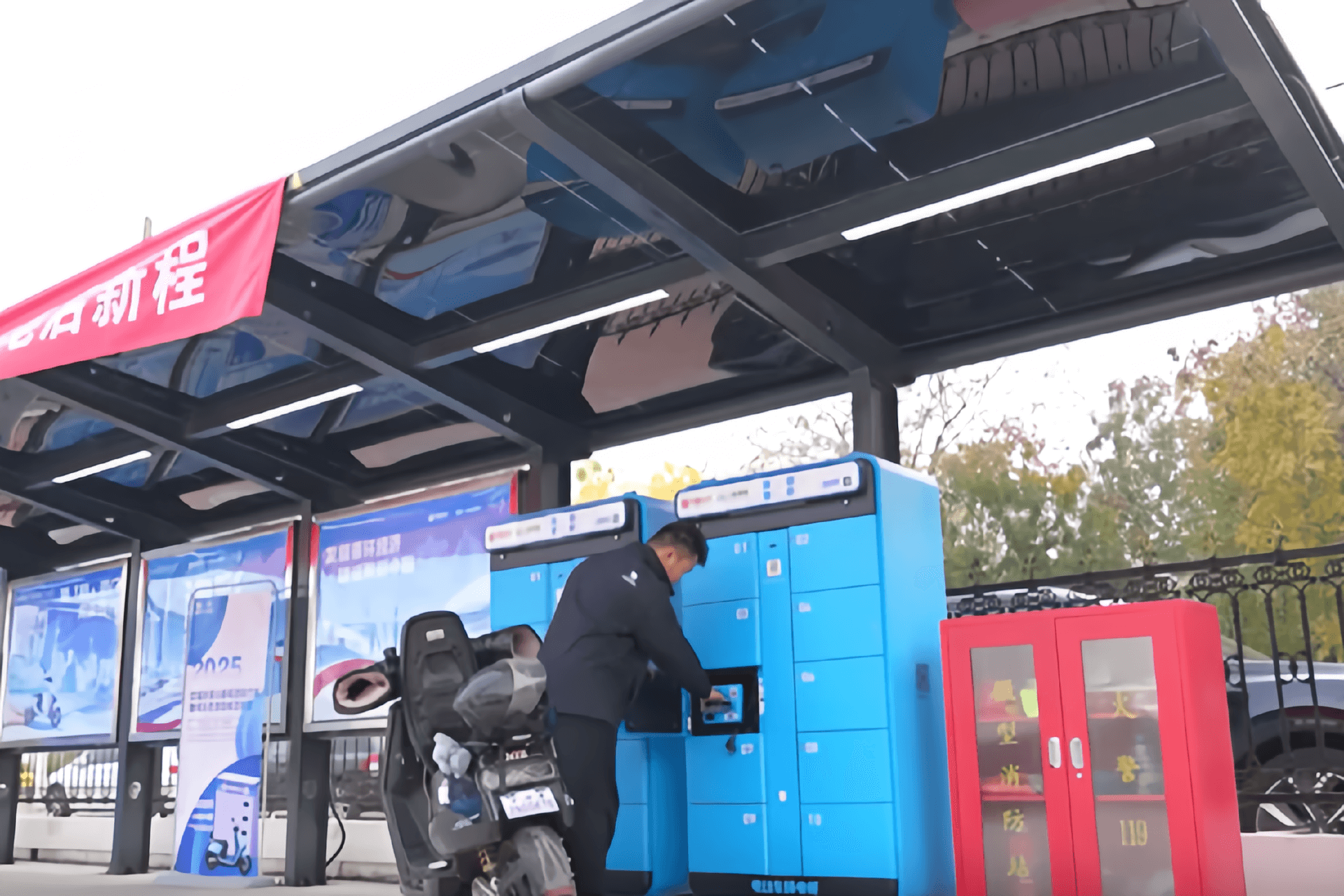
Key results and plans:
Swap time: a full swap process—scan, take, install, close—takes about 20 seconds (roughly 5 seconds per step), compared with 6–8 hours for conventional charging, improving energy-replenishment efficiency by more than 120×.
Safety impact: shifting charging from apartments and corridors into monitored cabinets aims to cut charging-related fire risk by over 90% in targeted areas.
Expansion: over three years, the project plans to invest around 660 million RMB to deploy 8,000 cabinets serving roughly 500,000 users, including professional riders, shared e-scooter and e-moped users, and local residents.
Beyond Tianjin, HelloPower & HelloSwap's broader China network shows how dense infrastructure and rider integration translate into everyday performance.
Rider-first placement: site selection uses rider travel and order-heat data, placing cabinets near take-out hubs, logistics aggregation points, residential compounds, and rider rest areas so swaps happen "on the way" rather than requiring detours.
Operational performance: in mature urban networks, swaps can be completed within 15 seconds from scan to door close, including authentication and cabinet interaction, while system-side checks and scheduling algorithms ensure safety and stable inventory.
Southeast Asia's cities are built around two-wheelers and the rider economy, making them natural territories for e-moped and e-scooter battery swapping. Bangkok is a flagship project where HelloPower & HelloSwap have implemented an integrated online–offline service model.

Within six months, HelloPower & HelloSwap deployed a large-scale urban network in Bangkok to support delivery fleets and everyday riders.
Network build-out: more than 200 battery swapping cabinets and 10 integrated service stations across the city.
Coverage: approximately 90% coverage of key commercial districts, transport hubs, and major residential areas.
Service radius: designed around "3-minute energy replenishment + 5-minute vehicle access," so riders can reach a cabinet or service station within a few minutes.
HelloPower & HelloSwap's Bangkok project combines a digital operations hub with physical service centers.
Mobile app: manages vehicle rental, package purchases, swap cabinet access, and billing in a single interface.
Service stations: act as one-stop hubs for cabinet operation, vehicle displays and sales, rental and maintenance, and emergency power sales.
Data platform: data from cabinets, vehicles, and orders feed into a central platform that manages inventory, maintenance, and customer support
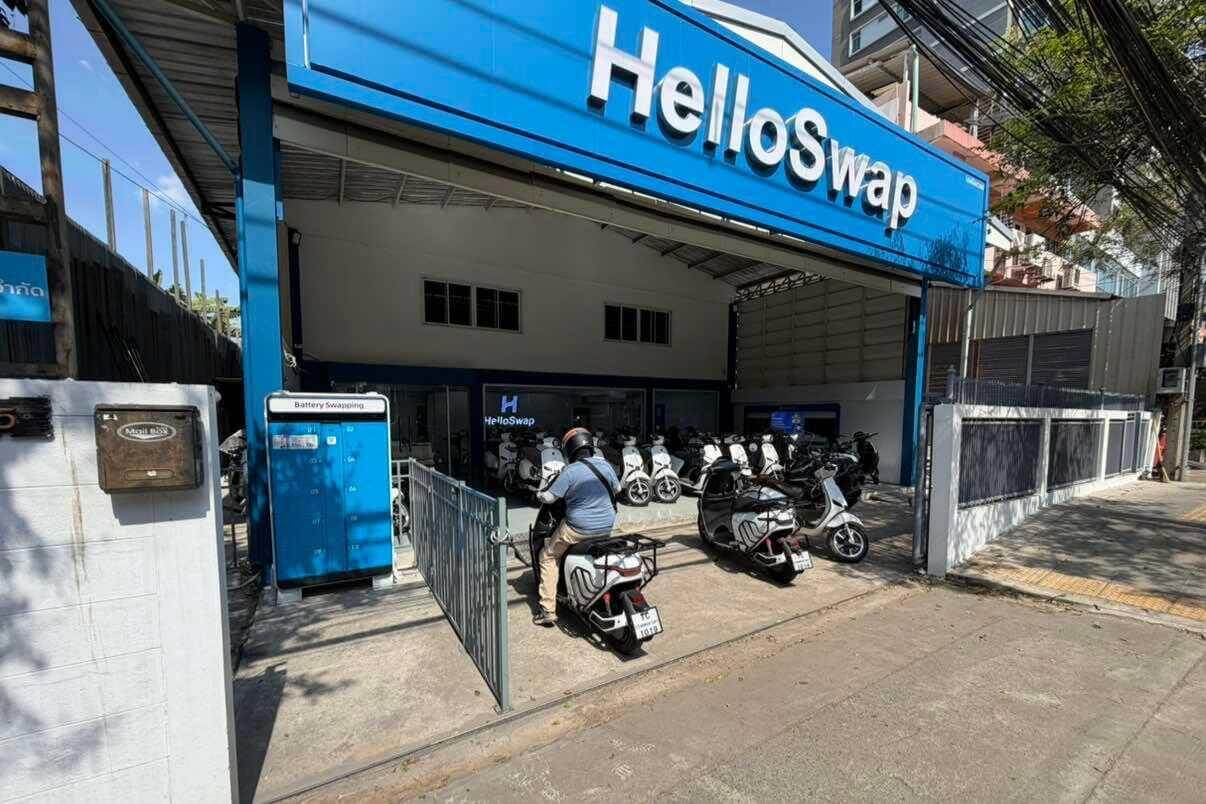
Operational data from Bangkok shows the value of HelloPower & HelloSwap's rider-centric, data-driven battery swapping service design.
Average swap time: around 15 seconds per battery exchange, including authentication and cabinet interaction.
Dispatching: traffic heat maps, order density, and cabinet inventory levels drive intelligent dispatching, enabling "nearest-service, zero-wait" replenishment for high-frequency users.
User satisfaction: the project receives about 98% overall user satisfaction across battery swapping, vehicle rental, sales, and maintenance services.
In Europe, electric motorcycle and scooter battery swapping is still at an early stage, but policy trends point toward stricter low-emission zones and tighter battery-safety rules. At this stage, HelloPower & HelloSwap is carrying out market research, technical preparation, and partner discussions for future swapping operations in Europe.
The team is closely tracking the European policy and standards environment to ensure future solutions can meet local requirements.
Climate and LEZ goals: the EU's climate-neutrality target for 2050 and city-level low-emission and ultra-low-emission zones (LEZ, ULEZ) are pushing cities to decarbonize last-mile transport.
Safety and transport rules: swap cabinets and batteries intended for Europe are being designed with CE and UN38.3 compliance in mind, covering electrical safety and the safe transport of lithium-ion batteries.
Battery data and transparency: new EU guidance on battery-related data sharing is being monitored so that future European platforms are compatible with emerging requirements for battery information and traceability.
HelloPower & HelloSwap is analysing European mobility and logistics trends to identify where battery swapping can deliver the most value.
Standardization momentum: reports on light electric vehicles emphasize interoperable battery systems and harmonized standards for urban use, which aligns with HelloPower & HelloSwap's standardized swappable battery approach.
Growing potential demand: rising adoption of electric delivery vehicles in LEZ cities points to a future need for safe, standardized energy-replenishment infrastructure for two-wheelers and other light vehicles.
Product and system preparation: European-adapted solutions under design include multi-language software, integration with local payment and fleet systems, cloud back-ends that support EU-style data-governance rules, and standardized batteries engineered for local compatibility.
HelloPower & HelloSwap intends to enter through close cooperation with local mobility and logistics partners, rather than building closed networks alone.
Cooperation model: key partners include shared electric motorcycle and two-wheeler operators, as well as other local players such as delivery fleets and channel partners, using their existing fleets, user bases, and city relationships to accelerate market entry and reduce barriers
Solution adaptation: the planned approach is an integrated "intelligent swapping + data management + green energy" solution that fits Europe's environmental policies and long-term carbon-neutrality goals.
Next steps: specific European projects will be announced once local partnerships, regulatory approvals, and core certifications have been secured. Please leave a message if you are interested in cooperation.
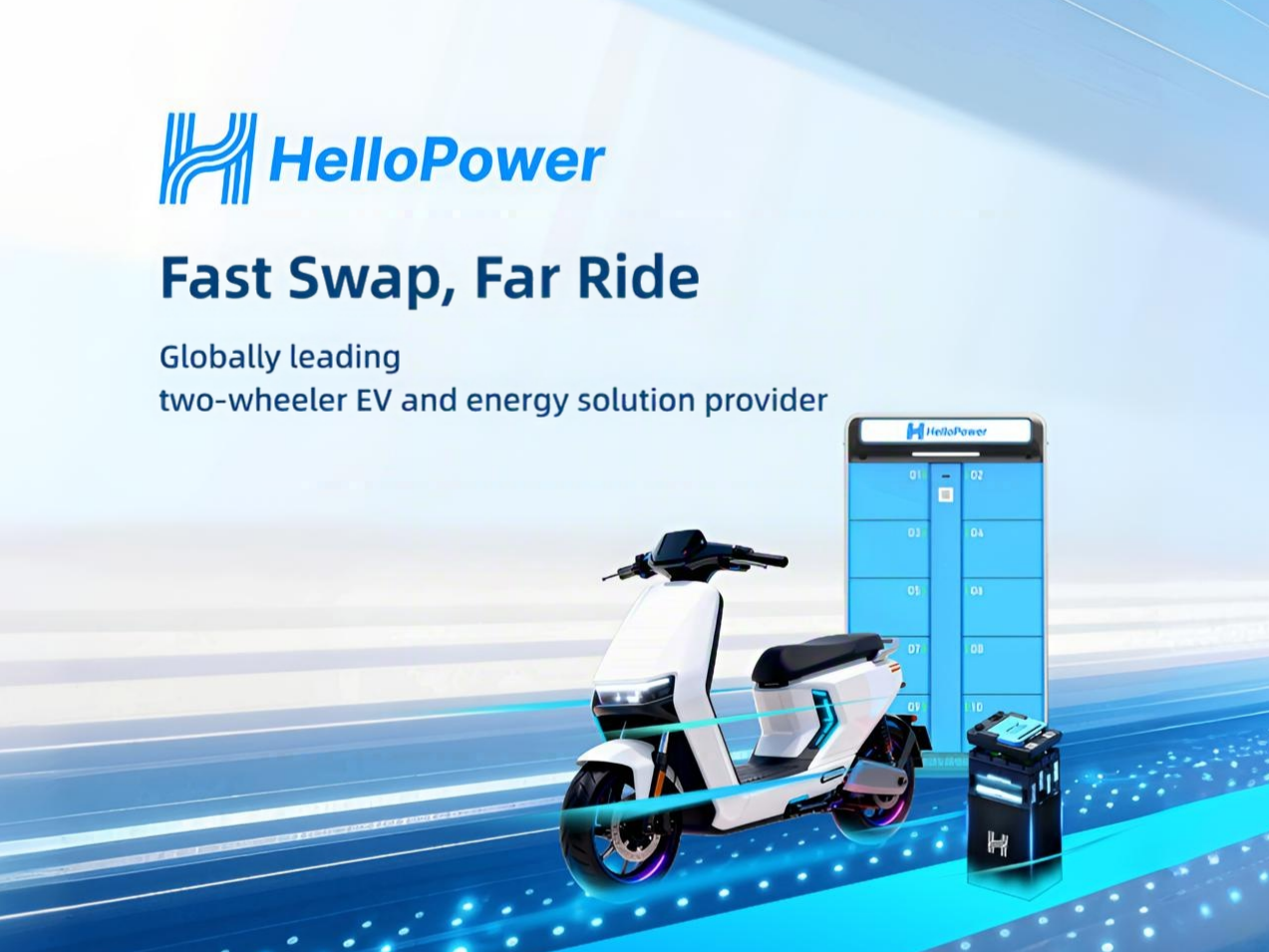
Explore Our Capabilities, Products, and Turnkey Solutions
Electric two-wheeler battery swapping creates clear benefits for delivery fleets, vehicle manufacturers, and city authorities when deployed as an integrated ecosystem.
For fleets and platforms, swapping dramatically cuts idle time, enabling near-continuous operation over long delivery windows without range anxiety. Operators also gain granular control over energy costs, asset utilization, and route productivity, with telematics and swap data feeding directly into dispatch and incentive systems.
OEMs that adopt standardized swappable batteries can connect their vehicles to an existing energy network instead of building their own charging footprint. This turns vehicles into part of a broader service ecosystem, increases attractiveness for professional riders and fleet operators with lower total cost of ownership and higher uptime.
For city managers, dense battery swapping grids help eliminate unsafe home charging, reduce fire risks in residential buildings, and clear sidewalks of ad-hoc charging cables. Certified cabinets and batteries also make it easier to enforce safety standards, design incentives, and measure progress against climate and air-quality targets.
Established providers like HelloPower & HelloSwap support partners through a clear, repeatable roadmap from initial feasibility to stable operations, drawing on experience in domestic and international projects.
Market and policy assessment: evaluate e penetration, delivery volumes, rider income, and local regulations to select priority cities and realistic growth paths.
Battery and vehicle definition: choose voltage and capacity combinations and compatible electric scooter and electric motorcycle models that fit local trip distances, terrain, and payloads.
Cabinet and capacity planning: determine cabinet types, site locations, and battery pool sizes using demand simulation and rider-flow data.
Intelligent system deployment: connect cabinets, batteries, and vehicles to the HelloPower platform, configure rider apps and fleet dashboards, and set up alerts for safety and maintenance.
Business model and partnerships: design subscription or pay-per-swap packages and build cooperation with food-delivery, e-commerce logistics, and local leasing partners.
Compliance and on-site enablement: align with safety codes and certification requirements, then deploy on-site teams for installation, training, and early-stage operation until utilization stabilizes.
As the cases from China, Bangkok, and Europe show, electric scooter and motorcycle battery swapping has moved beyond pilots into a scalable model for safer, faster and more reliable two-wheeler operations. If you are exploring how to electrify a delivery fleet, launch swap-ready vehicles, or design low-emission urban mobility programs, HelloPower & HelloSwap can provide end-to-end technology, deployment support, and operational know-how—contact us to discuss a tailored electric motorcycle and scooter battery swap solution for your market.
Contact Us
hellopowerglobal@hellobike.com
Location
2F, Building 1, No.898 XiuWen Road, MinHang District, Shanghai, China
Copyright © 2024 福建宁德惠智无限科技有限公司 All Rights Reserved. 闽ICP备2023025900号-3.


