
Battery as a Service: The Business Model Reshaping Electric Mobility
2026-04-08
The Battery as a Service market is growing fast—projected to reach USD 14.45 billion by 2035, with Asia Pacific already accounting for roughly 79% of global two-wheeler BaaS activity and the region's electric two-wheeler market projected at USD 4.54 billion in 2025 alone. But growth projections do not help you choose a partner. What matters is which company fits your vehicle category, your operating market, and your realistic path to a profitable network.
_1775814680879.png)
The honest challenge is that the BaaS model sounds simpler than it is. Separating battery ownership from vehicle ownership only works if the batteries are reliable, the swap infrastructure is dense enough to be useful, the software keeps assets visible, and the economics hold up at scale. A lot of companies can demo a swap station. Far fewer have actually worked through what happens after the first hundred cabinets are in the field.
Before the list, three filters that consistently separate strong BaaS companies from early-stage concepts:
Hardware that holds up under daily pressure: not just in a showroom, but through thousands of swaps per cabinet per month in heat, rain, and constant use.
Software that makes assets manageable: battery health monitoring, utilization tracking, and remote diagnostics are not nice-to-haves at scale; they are what keep a network profitable.
A deployment model built for real operators: pricing, logistics, training, and ongoing support that makes sense for a fleet owner or city partner, not just an enterprise pilot.
With those filters in mind, here is how the leading Battery as a Service companies stack up in 2026.
NIO addressed one of the most persistent fears in early EV adoption: the anxiety of owning a battery that degrades over time, locks you into one charge point, or takes hours to replenish. Its answer was to decouple the battery from the vehicle entirely—let drivers subscribe, swap in minutes, and upgrade as battery technology improves.
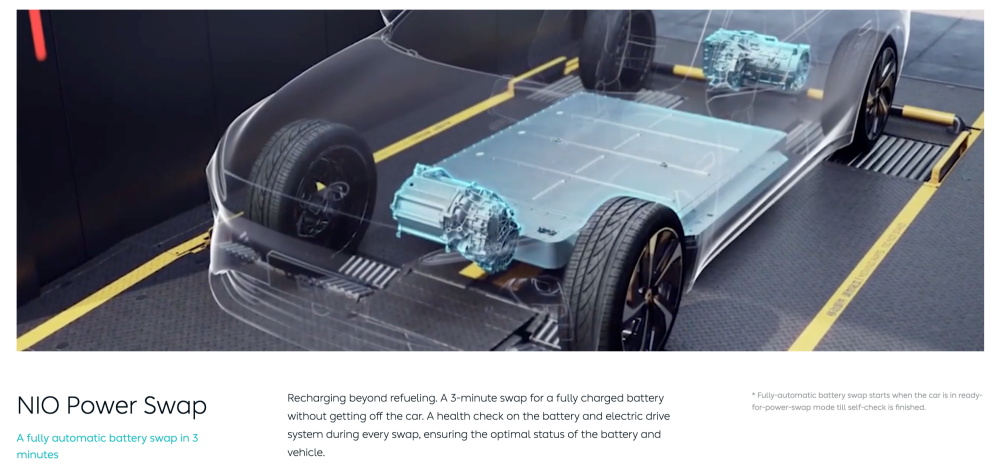
(Source: NIO)
Key strengths:
Mature automated swap ecosystem built specifically around passenger EVs.
Battery upgrade model that removes long-term ownership risk from the driver.
Strong brand infrastructure and high global recognition in the passenger EV segment.
Best fit: Premium passenger EV markets where the battery upgrade proposition and swap convenience are central to the ownership experience.
Gogoro built something genuinely difficult: a battery swapping network that urban scooter riders actually use every day without thinking about it. The infrastructure, the vehicle, and the swap experience are designed to feel invisible, which is exactly what high-frequency urban mobility demands.
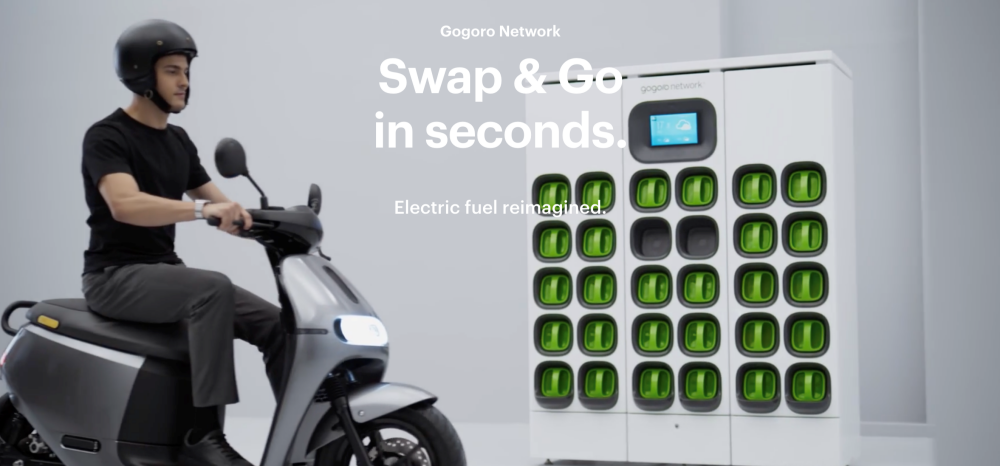
(Source: Gogoro)
Key strengths:
Deep ecosystem integration between scooters, smart batteries, and swap stations.
Rider-facing experience refined for daily urban commuting and delivery use.
Strong network effects as station density increases in core markets.
Best fit: Markets building a consumer-facing electric scooter ecosystem where network density and rider experience drive adoption.
Most battery swapping models require operators to commit to a specific vehicle platform. Ample took a different approach — designing modular batteries that can work with existing commercial EVs, which matters enormously for fleets that cannot afford to retire functional vehicles just to access swap infrastructure.
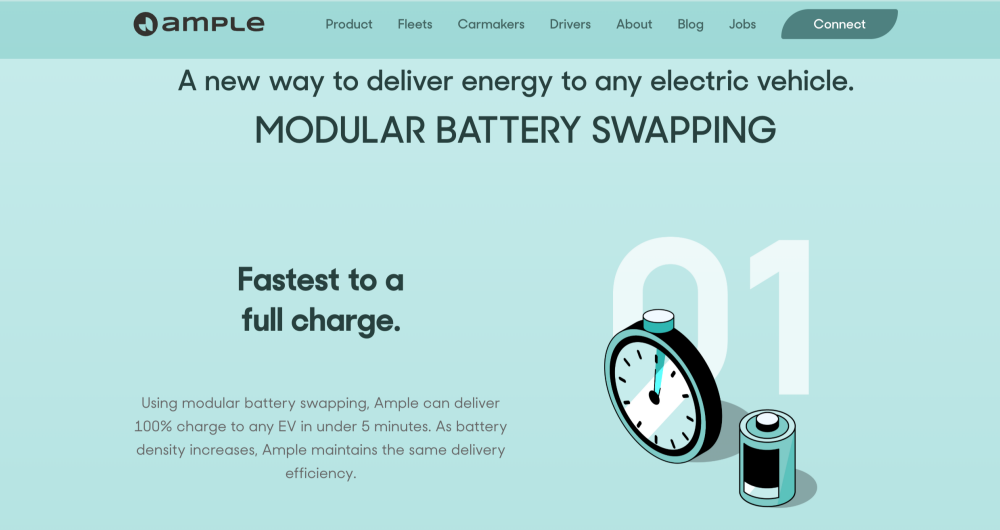
(Source: Ample)
Key strengths:
Modular architecture designed for adaptability across existing vehicle types.
Operationally focused, with minimal downtime as the core value proposition.
Relevant for logistics operators and commercial fleets prioritizing utilization over branding.
Best fit: Commercial EV fleets and logistics operators who need faster turnaround without full platform lock-in.
For electric two-wheel mobility specifically, HelloPower brings something most BaaS companies do not: a complete system that has already been stress-tested at scale. Rather than asking partners to assemble hardware from one supplier, software from another, and figure out operations on their own, HelloPower delivers batteries, modular swap cabinets, compatible electric vehicles, SaaS/PaaS platforms, and hands-on operational support as one deployable solution.
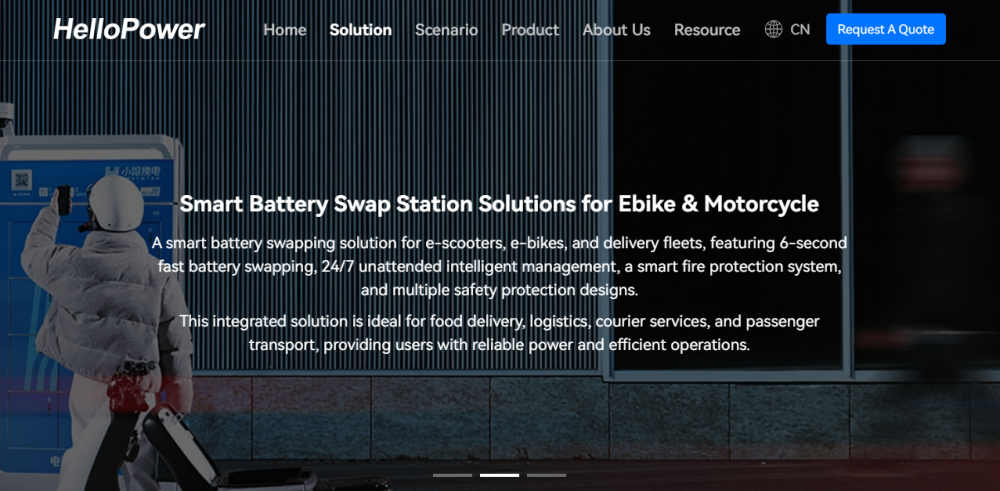
Key strengths:
End-to-end two-wheel BaaS platform covering batteries, cabinets, EVs, software, and operational enablement.
Proven operating scale: 800M+ global users, 10M+ operating vehicles, 5M+ batteries, 80K+ cabinets, 500+ cities covered.
6–15 second swap flow built for delivery riders and commuters who cannot afford to stop.
Smart swap cabinet deployment from around USD 1,400–2,000 per unit, making serious rollouts financially accessible for operators at different stages of growth.
Best fit: OEMs, fleet operators, distributors, and city mobility partners who need a mature, cost-effective two-wheel BaaS solution they can actually build a business around.
India's two- and three-wheeler market is enormous, high-frequency, and deeply cost-sensitive, which means BaaS models that work elsewhere do not automatically translate. SUN Mobility has built its approach around those specific conditions, focusing on fast energy access and lower vehicle entry cost for operators who run on thin margins.
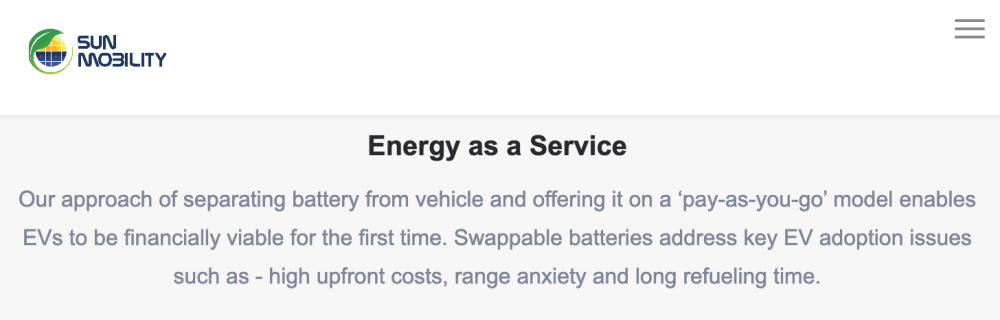
(Source: SUN Mobility)
Key strengths:
Strong operational fit for India's high-frequency, cost-sensitive mobility environment.
Covers two-wheelers, three-wheelers, and commercial mobility in a single platform.
Practical economics rather than premium positioning.
Best fit: Commercial two- and three-wheeler operators in India and similar emerging urban markets where affordability and operational speed are non-negotiable.
CATL is the battery behind a significant portion of what the rest of this list runs on. Its role in BaaS is less about direct consumer engagement, yet more about setting the standard for what swappable batteries can reliably do and then building the platform-level infrastructure that makes those standards scalable.
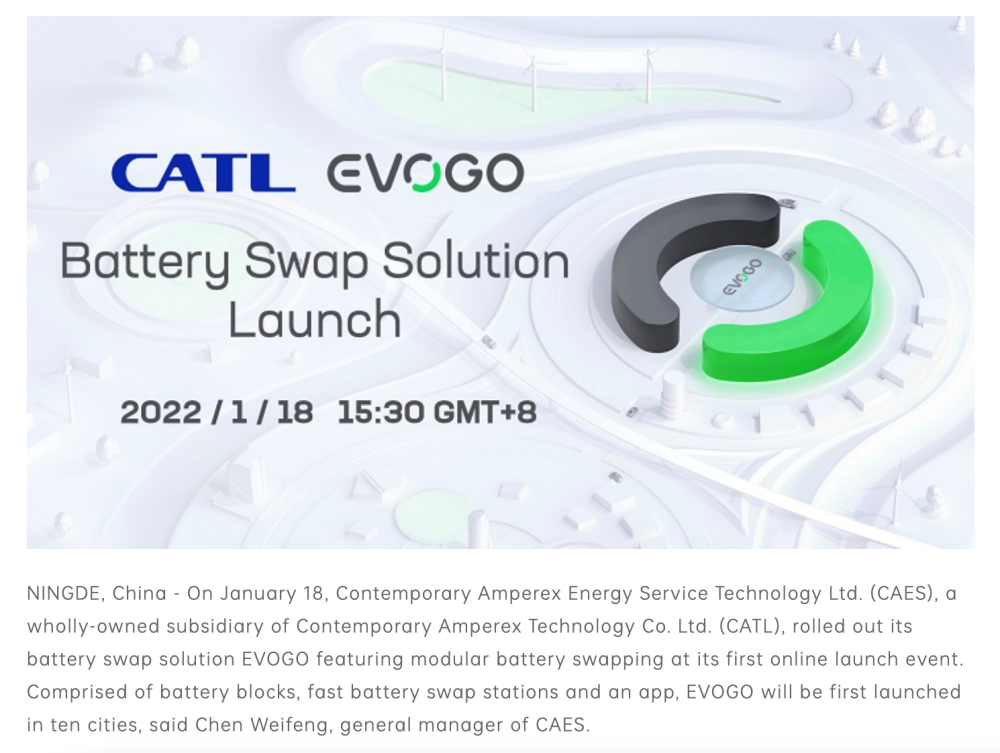
(Source: CATL)
Key strengths:
Unmatched battery manufacturing capability and safety engineering.
Platform enablement that powers standardized swapping systems across vehicle types.
Strategic value as a technology and infrastructure partner rather than a brand competitor.
Best fit: OEMs and platform developers who need a credible, high-standard battery foundation for large-scale BaaS deployment.
VinFast made a straightforward but important argument to EV buyers: you do not have to pay for the battery up front. By offering subscription-based battery access alongside its vehicles, it helped shift the conversation about EV affordability in markets where sticker price is still the biggest barrier to adoption.
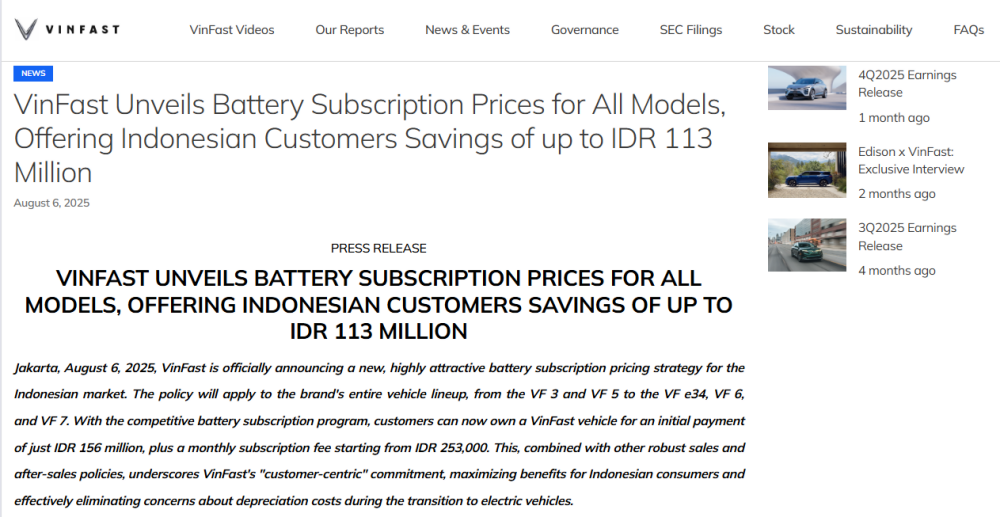
(Source: VinFast)
Key strengths:
A battery subscription model that directly reduces the EV purchase barrier.
Relevant in markets where upfront cost remains the primary adoption obstacle.
Demonstrates how OEMs can use BaaS as a competitive sales tool.
Best fit: Passenger EV markets where decoupling battery cost from vehicle price can meaningfully accelerate adoption.
Every swap network needs physical infrastructure to exist, and building that at density is harder and slower than most operators expect. Aulton focuses on exactly that challenge — expanding the station network layer that makes any BaaS model functional in practice.
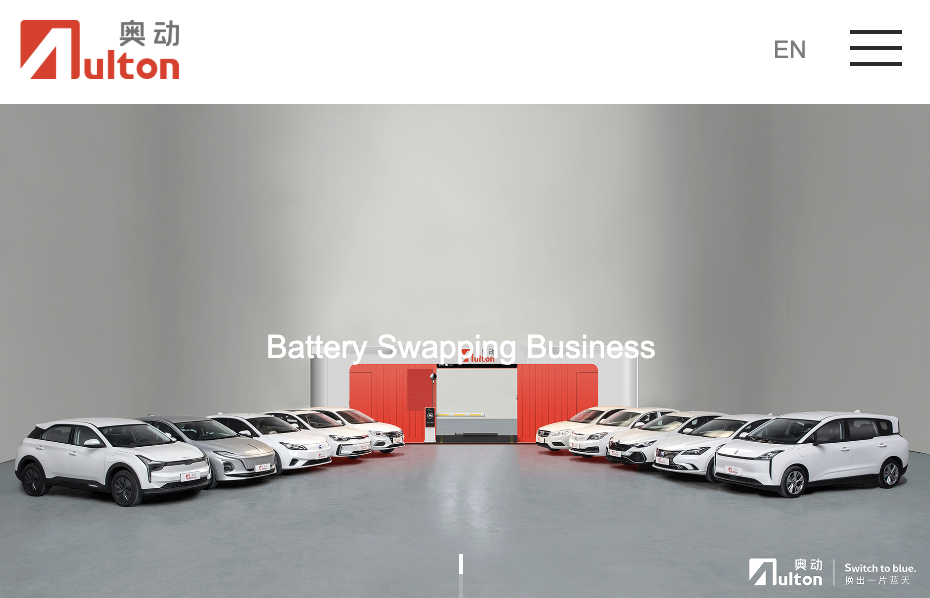
(Source: Aulton)
Key strengths:
Infrastructure-led approach to swap network development.
Focus on station deployment density and regional network coverage.
Relevant where expanding swap access is the primary constraint on growth.
Best fit: Programs where scaling physical swap station coverage across a region is the central strategic challenge.
Not every BaaS application involves a delivery fleet or a premium scooter. In European cities where e-bikes, cargo bikes, and light commercial vehicles are increasingly part of last-mile logistics, Swobbee fills the gap, providing flexible battery swapping for the micromobility segment that larger players tend to overlook.
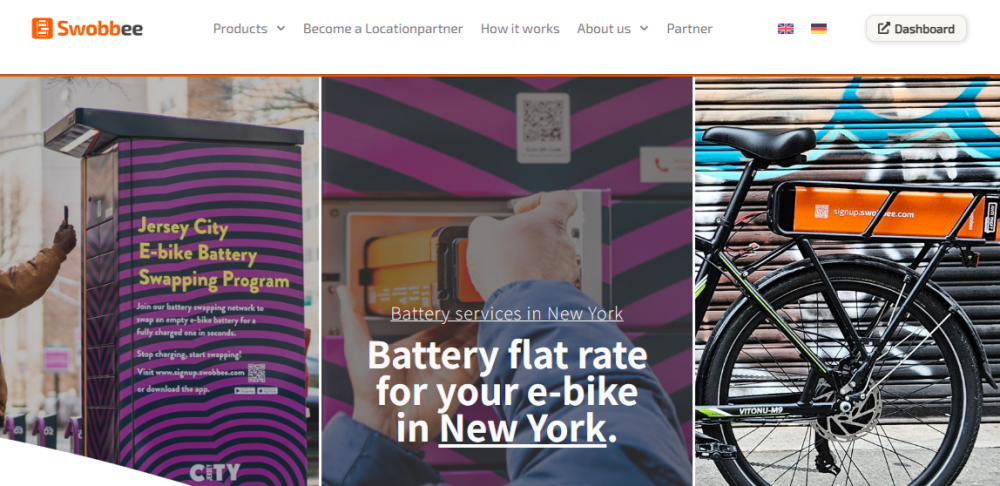
(Source: Swobbee)
Key strengths:
Specialized focus on micromobility and light urban transport.
Designed for compact city environments where heavy infrastructure is impractical.
Covers use cases that sit below the threshold of most major BaaS platforms.
Best fit: E-bike fleets, light delivery operators, and urban micromobility platforms in space-constrained city environments.
Battery Smart is part of a broader shift happening in India's electric mobility market — where BaaS is not a premium offering but a practical necessity for riders who depend on their vehicles for income. Its model is built around predictable costs, fast energy access, and a swap experience that working riders can actually rely on.
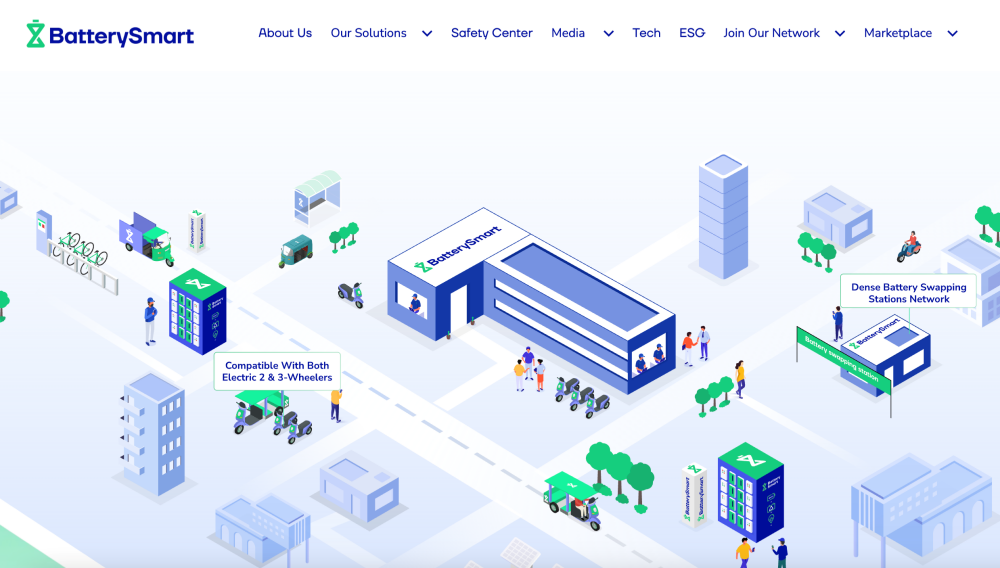
(Source: Battery Smart)
Key strengths:
Built for high-frequency, income-dependent riders and small fleet operators.
Strong alignment with affordability-driven EV adoption patterns.
Relevant in markets where economic reliability matters as much as technology.
Best fit: Cost-sensitive two- and three-wheeler operations in India and comparable emerging markets.
A delivery rider does not evaluate battery swapping the way a fleet procurement manager does. They care about whether the cabinet near their route is available at 7 am, whether the swap takes less time than unlocking a phone, and whether the battery lasts through a full shift without surprises. That kind of reliability does not come from good hardware specs alone—it comes from a system that has been refined through millions of real operating cycles.
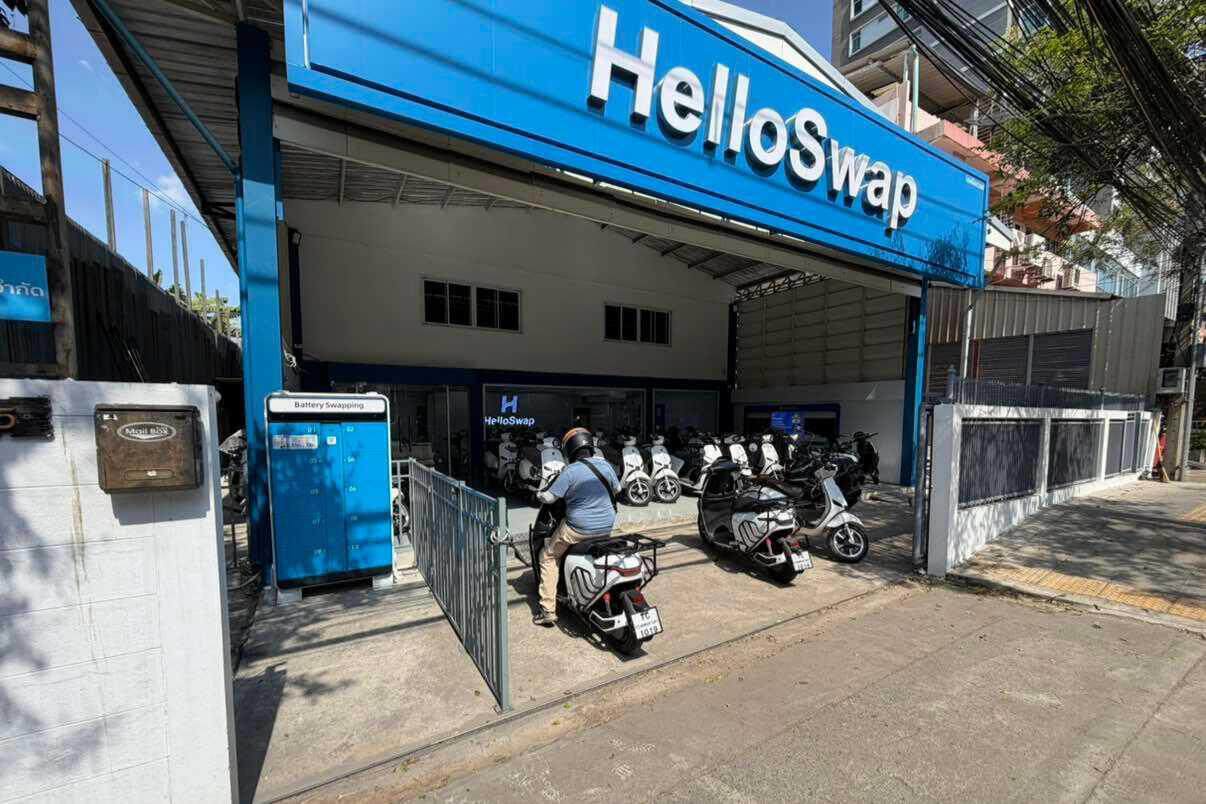
That is where HelloPower stands apart:
Full-stack integration: batteries, cabinets, EVs, software, and operational support work together as a single system, not a collection of parts from different vendors.
Cost-efficient entry: smart swap cabinet pricing comes in significantly lower than most operators expect, making it viable to start with a real network rather than just a pilot.
Speed built for daily work: 6–15 second swaps and 24/7 unattended operation mean the station works around the rider's schedule, not the other way around.
Scale that proves the model: 80K+ cabinets and 5M+ batteries across 500+ cities is not a projection; it is an operating track record.
Partners, not just customers: from site planning and deployment through post-launch optimization, we work alongside operators at every stage, because a struggling network reflects on us too.
If you are evaluating BaaS solutions for a two-wheel mobility rollout, talk to the HelloPower team—we would rather help you ask the right questions early than solve avoidable problems later.
Contact Us
hellopowerglobal@hellobike.com
Location
2F, Building 1, No.898 XiuWen Road, MinHang District, Shanghai, China
Copyright © 2024 福建宁德惠智无限科技有限公司 All Rights Reserved. 闽ICP备2023025900号-3.


