
Electric Scooter & Motorcycle Battery Swap: Case Studies from China, Bangkok and Europe
2026-03-03
Understanding the cost of battery swapping stations for electric two-wheelers is the first step before deciding how big to start and how fast to scale. The budget is not only about one cabinet price; it covers cabinets, batteries, vehicles, software and daily operation of the whole system. This article gives a clear cost breakdown, realistic price bands and example setups for two-wheeler swapping projects, using ranges that match what companies usually work with for overseas deployments.
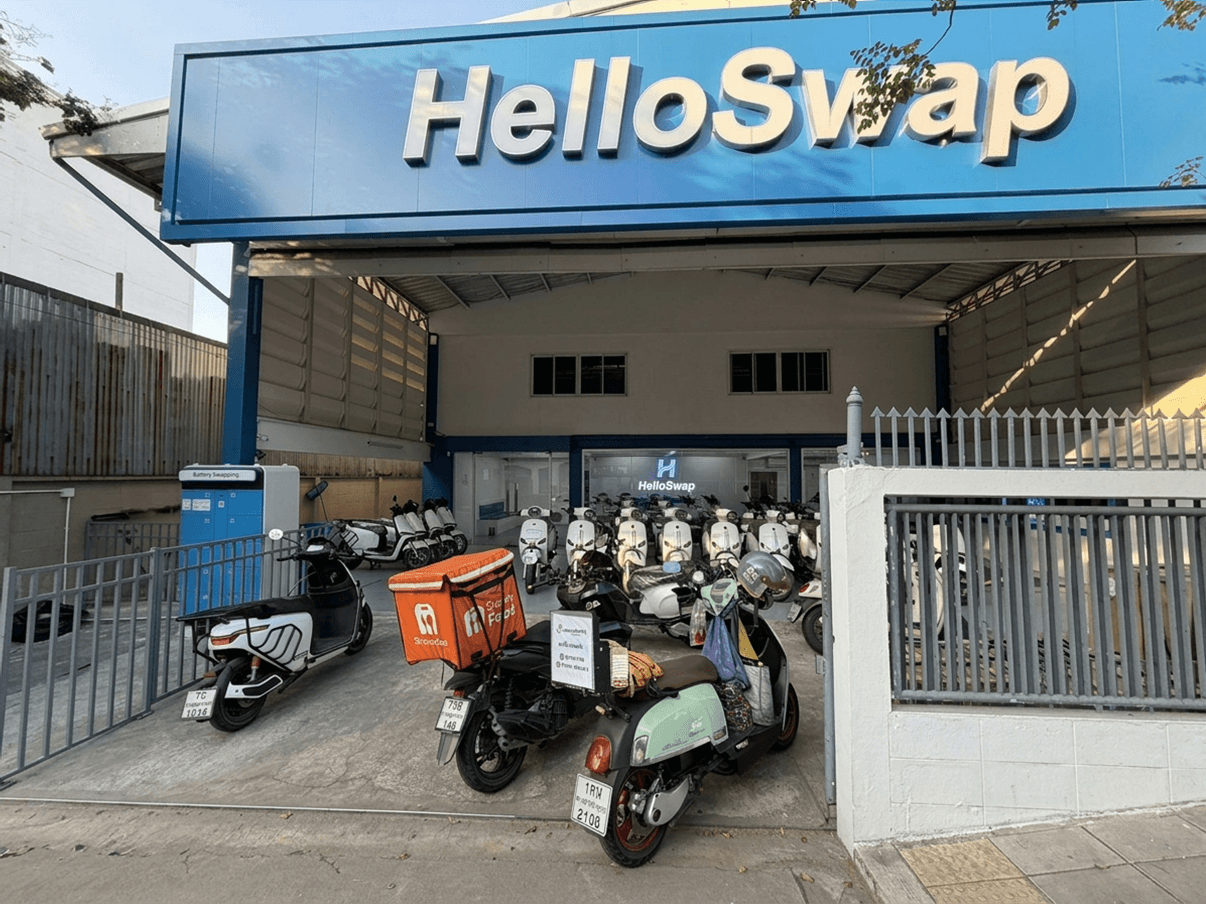
For most two-wheeler battery swapping projects, budgets are built around the following levels:
Smart swap cabinet for two-wheelers (often 10 slots): about 1,400–2,000 USD per unit in typical overseas orders.
Swappable lithium battery pack (48–72 V): about 240–680 USD per pack, from light e-bike packs to high-capacity e-motorcycle packs.
Electric two-wheeler: about 580–1,000 USD per vehicle for electric scooters and motorcycles.
Software, online payment and SaaS operations: custom-quoted as a full-chain solution including project design, payment integration, battery tracking, cabinet monitoring and cloud dashboards.
These ranges are based on recent export quotations for standard two-wheeler swap equipment supplied to overseas projects and are intended as planning references rather than binding offers.
A battery swapping station for electric two-wheelers is a connected system. Each cost element has a clear role:
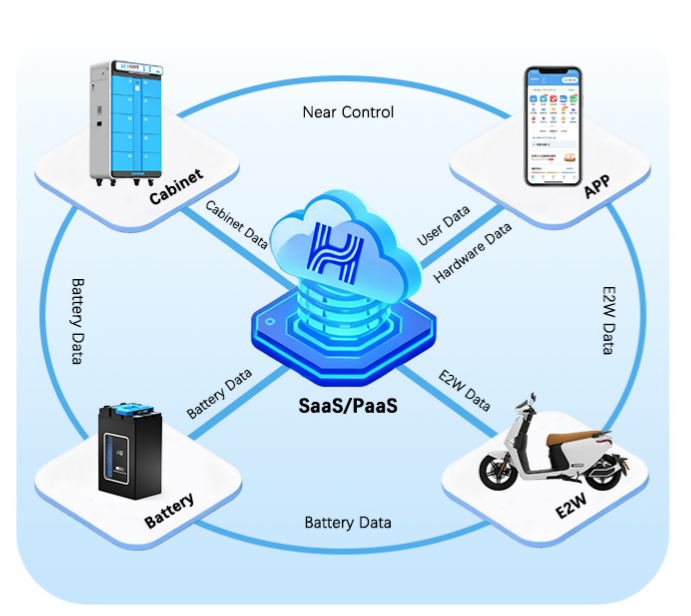
Cabinets provide the physical infrastructure: they store and charge batteries, protect them and connect to the cloud.
Batteries are the energy assets: they move between cabinets and vehicles and determine a large part of the capital tied up in the network.
Vehicles turn energy into revenue: they use the shared batteries to complete deliveries and trips, generating cash flow.
Software and operations keep everything synchronized: they match cabinets, batteries and vehicles, control risk and unlock efficiency.
Looking at cabinet prices without considering batteries, vehicles and software gives an incomplete picture of the real cost per swap and payback time.
Two projects might pay similar prices for a battery swap cabinet but end up with very different economics. Over time, the real cost depends on:
How reliably riders can find a charged pack and swap quickly.
How many charge–discharge cycles batteries can deliver before replacement.
How well the system detects and handles safety risks and theft.
That is why it makes more sense to look at system cost, not just unit hardware prices.
For two-wheelers, battery swap cabinets typically offer 5–12 slots, and many projects use 10-slot cabinets as the main building block for small and medium stations, with smaller or larger versions to match different sites and traffic levels.
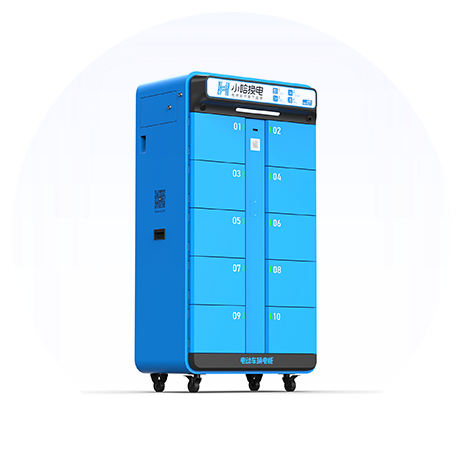
In global two-wheeler projects, a 10-slot smart cabinet for outdoor or semi-outdoor deployment typically sits in the 1,400–2,000 USD range per unit. Cabinets at this level usually offer:
10 individual battery slots for 48–72 V two-wheeler battery packs.
220 V single-phase input and several kilowatts of total output power.
An industrial-grade cabinet body designed for outdoor or semi-outdoor use.
Integrated controller, display and network connection for 24/7 monitoring and control.
Multi-layer safety architecture, including per-slot temperature monitoring, smoke detection, compartment isolation and automatic fire suppression.
Smaller 5–6-slot versions can be used in tight indoor locations or for early pilots. As demand grows, more 10–12-slot cabinets can be added at the same site to form a higher-capacity hub.
The swappable battery pool often accounts for the largest share of hardware cost, because each pack is a high-value asset that will cycle hundreds or even thousands of times.
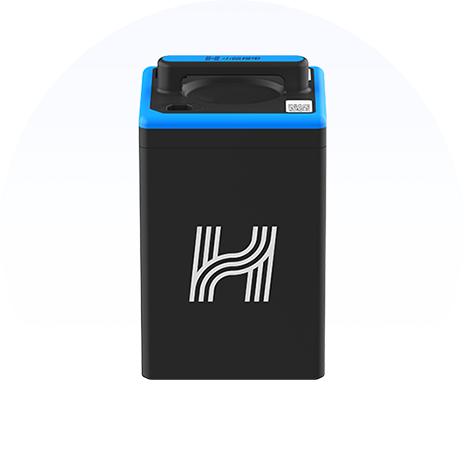
A practical planning range for two-wheeler swap packs is:
48–60 V packs for light electric bikes and scooters: about 240–440 USD per pack, depending on capacity and configuration.
60–72 V packs for high-performance electric mopeds and motorcycles: about 440–680 USD per pack for higher-capacity, higher-power designs.
Because riders need to find a charged pack on arrival, stations usually hold more batteries than slots. For a 10-slot cabinet, a common starting point is around 20–30 batteries, depending on expected daily swaps and operating hours.
Two-wheeled vehicles are a part of the system that actually generates trips and orders. Planning for the right fleet helps connect your station infrastructure to expected revenue and utilization.
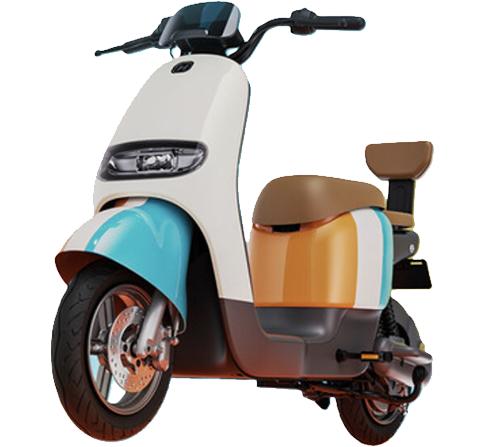
In the international market, electric two-wheelers with compatible swap batteries for urban use are typically priced as follows:
48–60 V moped-style e-bikes, mopeds, and scooters: about 580–650 USD per vehicle.
72 V electric mopeds and motorcycles: about 850–1,000 USD per vehicle.
Because the swappable batteries are matched to specific vehicle classes, operators can efficiently manage swaps and optimize station capacity, while ensuring safety and proper charging for each pack type.
Software is a core part of the total cost, because it connects cabinets, batteries, vehicles, riders and payments into a single system. A complete two-wheeler swapping solution usually covers:
Project design and configuration: demand analysis, station layout, cabinet mix, battery pool sizing and fleet rollout planning.
User app and online payment: rider and operations app, subscription and pay-per-swap options, and integration with local payment methods.
Battery tracking and analytics: physical location, cycle count, state of health and alerts for each pack in the pool.
Cabinet and network management: slot status, alarms, remote diagnostics and firmware updates for each cabinet.
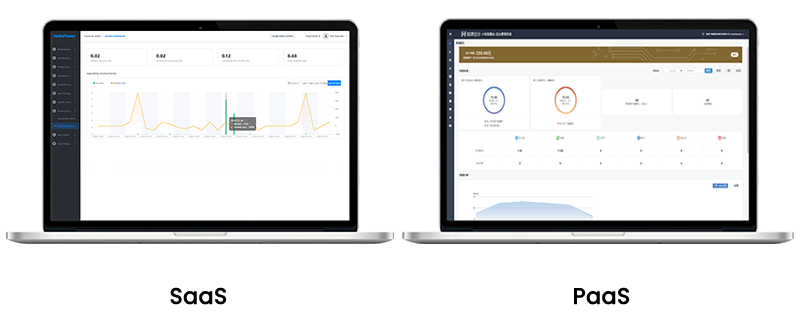
SaaS dashboard for operations: real-time view of swaps per day, utilization, revenue, downtime and maintenance.
The scope also depends on how many stations you deploy, how many users you serve and which systems you integrate with, so software and operations services are usually priced as part of a tailored project proposal rather than a simple per-unit list price.
Day-to-day operations and safety design have a strong influence on the real economics of a station. Experience from large two-wheeler networks shows that:
Fast swapping increases revenue per vehicle: swapping in seconds instead of charging for hours allows each vehicle to complete 15–20% more orders per day compared with plug-in charging.
Smart charging extends battery life: controlled, temperature-aware charging helps keep lithium packs at about 80% capacity after roughly 800–1,200 full cycles, reducing how often you need to buy new batteries.
Robust safety measures avoid costly incidents: independent compartments, temperature and smoke detection and automatic fire suppression all reduce the risk of events that can damage assets and stop operations.
These effects are part of the total cost picture, even though they are not obvious from a cabinet price or a one-time software fee.
The table below shows typical battery swapping station configurations for different starting scales and deployment scenarios.
Setup Tier | Cabinets | Battery Pool | Fleet Size (Vehicles) | Estimated Station Hardware Budget | Typical Use Case |
Entry pilot station | 1 × 10-slot cabinet | 20 batteries | 15–25 vehicles | ≈10,000–20,000 USD | Testing swapping in one district |
City node station | 1 × 10-slot cabinet | 25–30 batteries | 25–40 vehicles | ≈15,000–30,000 USD | Courier or delivery hub |
Small two-cabinet hub | 2 × cabinets | 40–60 batteries | 40–80 vehicles | ≈30,000–60,000 USD | High-traffic logistics corridor |
Note: Estimated budgets include cabinets, batteries and typical export-project costs such as shipping, basic installation and commissioning, but exclude vehicles and local civil works.
Instead of focusing on a single "station price", this way of thinking helps you ask a more useful question: how many swaps per day do you need to support, and how much capacity in cabinets, batteries and vehicles do you need to reach that target?
A two-wheeler battery swapping station only works when all parts of the system are balanced. Cabinets need to operate reliably, batteries must deliver long service life, vehicles must generate trips, and software and operations must keep everything coordinated.
Sizing your station comes down to a few practical details: where you plan to deploy, how many vehicles you expect to serve in the first 6–12 months, and how frequently those vehicles will swap batteries each day. These factors determine how many cabinets and batteries are needed and how quickly your network should scale.
With this information, you can turn rough price ranges into a tailored station layout and budget that matches your local operating conditions and growth plan.
HelloPower (HelloSwap in Thailand), backed by Hello Inc., Ant Group, and CATL, combines mobility operations expertise, digital payment infrastructure, and world-class battery technology in one trusted solution for two-wheeler energy.
If you provide a few key details—your target city, planned fleet size, and expected daily swaps—our team can create a customized station plan with an estimated investment range and utilization model based on real project data.
Scroll down to the contact form or visit our Contact Us page to share your project details and request a station configuration and quotation for your two-wheeler battery swapping project.
Contact Us
hellopowerglobal@hellobike.com
Location
2F, Building 1, No.898 XiuWen Road, MinHang District, Shanghai, China
Copyright © 2024 福建宁德惠智无限科技有限公司 All Rights Reserved. 闽ICP备2023025900号-3.


